

Tallow Soap for Dry Skin: A 2026 Buyer's Guide
Table of Contents
- Why Tallow Soap Works for Dry Skin
- Tallow Soap vs Commercial Soap: Key Differences
- Top Tallow Soap Picks for Dry Skin
- How to Use Tallow Soap for Dry Skin
- Grass-Fed vs. Conventional Tallow: What Matters
- Troubleshooting Skin Reactions and Storage Tips
- Which Tallow Soap Should You Pick?
- Frequently Asked Questions
Last Updated: September 8, 2026
If you suffer from dry, tight, or flaky skin, the culprit might not be your moisturizer. It could be your soap. Most commercial bars rely on harsh synthetic detergents that strip the skin's natural lipid barrier (peer-reviewed research). Tallow soap for dry skin offers a different approach entirely, and it's the focus of this buyer's guide from Field Flower Tallow Co.
Tallow soap is a traditional cold-process bar made primarily from rendered beef fat, typically from grass-fed cattle. Unlike detergent-based cleansers that foam aggressively, tallow soap produces a rich, creamy lather that cleanses without stripping away your skin's natural moisture. Below, we'll cover exactly how it works, what to look for in a quality bar, and the specific formulas that perform best for sensitive and dry skin types.
Why Tallow Soap Works for Dry Skin
The science comes down to lipids. Your skin barrier is composed of fats and oils that lock in moisture and keep irritants out. Harsh cleansers dissolve these fats, increasing trans-epidermal water loss and leaving skin vulnerable. Tallow is rich in fatty acids that help condition the skin. When you wash with tallow soap, you get a gentle cleanse that helps maintain the barrier rather than dismantling it.
Tallow's lipid composition is primarily made up of several key fatty acids, each playing a distinct role:
- Oleic Acid (C18:1): This monounsaturated fatty acid is a major component of tallow. It helps soften and condition the skin, penetrating the stratum corneum to deliver conditioning lipids deeper than a purely surface-level cleanser.
- Stearic Acid (C18:0): This saturated fatty acid is crucial for the bar's physical properties. It contributes to a hard, long-lasting bar that produces a rich, creamy, and dense lather. On the skin, stearic acid helps create a protective, water-resistant layer that can help reduce moisture loss.
- Palmitic Acid (C16:0): Another saturated fatty acid, palmitic acid, also contributes to the bar's hardness and stable lather. It acts as a co-emulsifier, helping to create a smooth and stable texture.
- Myristic Acid (C14:0): While present in smaller amounts, myristic acid is known for its excellent cleansing properties. It helps create a fluffy, bubbly lather that effectively lifts dirt and impurities without the harsh, stripping action of synthetic detergents.
This combination of saturated and monounsaturated fatty acids gives tallow soap its signature feel: a bar that cleanses effectively yet leaves skin feeling soft and conditioned, not tight.
Many commercial soaps remove all the naturally occurring glycerin during processing. Handcrafted cold-process tallow soap retains this glycerin, which contributes to its moisturizing feel. This is why many people with chronic dryness find tallow soap leaves their skin feeling softer than conventional cleansers.
Grass-fed tallow is also a source of fat-soluble vitamins A, D, E, and K, which help nourish the skin. These vitamins work in concert with the fatty acids to support a healthy, functioning skin barrier, making tallow soap a more holistic choice for managing dry skin than a simple detergent bar.
Tallow Soap vs Commercial Soap: Key Differences
Most drugstore "soaps" aren't soap at all. They are synthetic detergent bars, often made with sodium lauryl sulfate and other surfactants designed to create heavy foam. These detergents can disrupt the skin microbiome and leave a tight, squeaky-clean feeling that actually signals over-cleansing.
Tallow soap, by contrast, is made through a traditional process called saponification, where fats react with an alkali (lye, or sodium hydroxide) to produce true soap and glycerin.
Here is how the process works in a cold-process bar:
- The Lye Solution: Sodium hydroxide is dissolved in a precise amount of water or goat’s milk, strong enough to drive saponification but not so strong that it damages the fats.
- The Fats: The grass-fed tallow and plant oils are gently heated until liquid and fully combined.
- The Reaction: The lye solution is stirred into the melted fats until the mixture reaches "trace," a pudding-like consistency, signaling the reaction has begun.
- Superfatting: A skilled soapmaker deliberately uses less lye than needed to saponify 100% of the fats, leaving a small percentage unsaponified. This "superfat" remains in the final bar, providing a built-in conditioning effect. A typical superfat level is 5-8% (soapguild.org).
- The Cure: The raw soap is cut into bars and cured for 4-6 weeks, allowing saponification to complete and excess water to evaporate, resulting in a harder, milder bar.
Commercial detergent bars skip this entire process. They are synthesized in a factory from petroleum derivatives and often contain synthetic fragrances, parabens, and other preservatives that can irritate sensitive skin.
A well-made tallow soap is naturally rich and conditioning, creating a nourishing lather that cleanses without added synthetic moisturizers. The superfat and naturally retained glycerin contribute to a moisturizing feel that commercial detergents lack.
Feature |
Tallow Soap |
Commercial Detergent Bar |
|---|---|---|
Base |
Rendered beef fat + plant oils |
Synthetic surfactants |
Process |
Saponification (fats + lye) |
Chemical synthesis |
Cleansing |
Gentle, creamy lather |
Aggressive, foamy lather |
Skin Feel |
Soft, conditioned |
Tight, "squeaky" |
Glycerin |
Naturally retained |
Often removed |
Superfat |
Yes, for conditioning |
No |
Fragrance |
Optional, natural |
Often synthetic |
Best For |
Dry, sensitive skin, All skin |
Oily skin (short-term) |
Top Tallow Soap Picks for Dry Skin
If you're ready to make the switch, the best tallow soap for dry skin isn't a single bar. It depends on your scent preferences and how reactive your skin is. Field Flower Tallow Co. crafts several traditional cold-process bars that all start with the same lipid-rich base of grass-fed tallow and goat's milk, then diverge in fragrance.
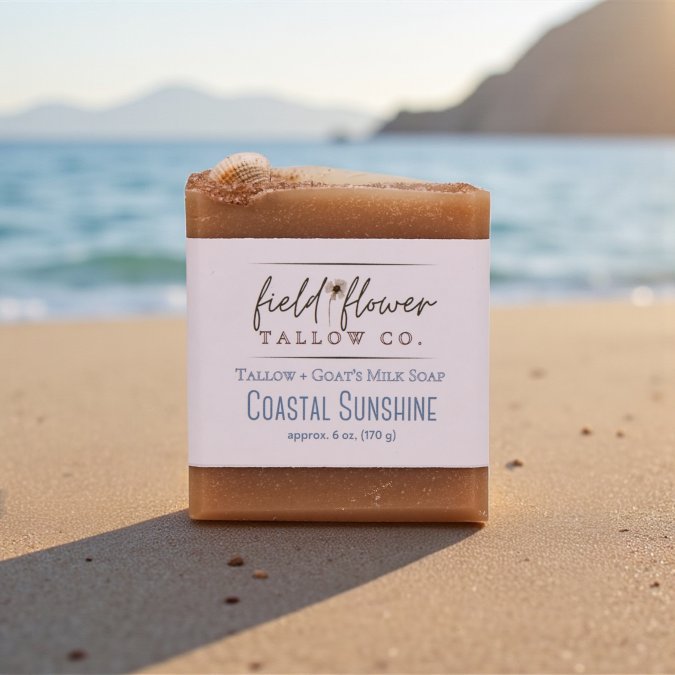
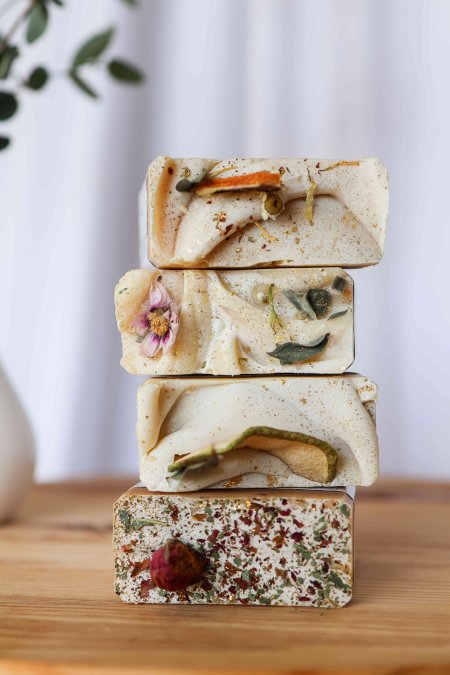
Unscented Tallow + Goat's Milk Soap
For the most sensitive or reactive skin, this is the bar to start with. It contains no added fragrance or essential oils, making it an ideal choice for babies, children, or anyone who has experienced reactions to botanical extracts. The formula combines grass-fed tallow with organic coconut oil, organic extra virgin olive oil, and raw goat's milk, creating a creamy lather that helps support the skin barrier.
Lavender Mint Infused Tallow Soap
If your dry skin is accompanied by a need for relaxation, this bar layers calming lavender with cool, refreshing peppermint. The essential oils provide a soothing herbal aroma that works well in an evening shower routine. Like all the bars in this lineup, it uses grass-fed tallow to maintain the skin's natural moisture barrier while cleansing.
Citrus Orchard Tallow + Goat's Milk Soap
For those who prefer a brighter, more uplifting scent, Citrus Orchard blends orange peel and orange blossom with fresh evergreen and soft woods. It delivers the same gentle, conditioning cleanse as the unscented bar, proving that you don't have to sacrifice a beautiful scent to get the benefits of tallow soap for dry skin.
How to Use Tallow Soap for Dry Skin
Switching from detergent to tallow soap requires a small adjustment in expectations. The lather is creamier and less foamy than what you may be used to, but it is just as effective at removing dirt and impurities.
To get the most out of your bar:
- Wet your skin and the soap bar with warm, not hot, water.
- Work the bar between your hands or on a washcloth to build a rich lather.
- Massage the lather onto your face or body gently.
- Rinse thoroughly with warm water.
- Pat your skin dry with a towel, leaving it slightly damp.
For especially dry skin, apply a moisturizer or body balm immediately after patting dry. This helps reduce the evaporation of water already present on the skin's surface. The lipid-rich layer from the balm works with the conditioning effects of the soap to help reduce moisture loss throughout the day.
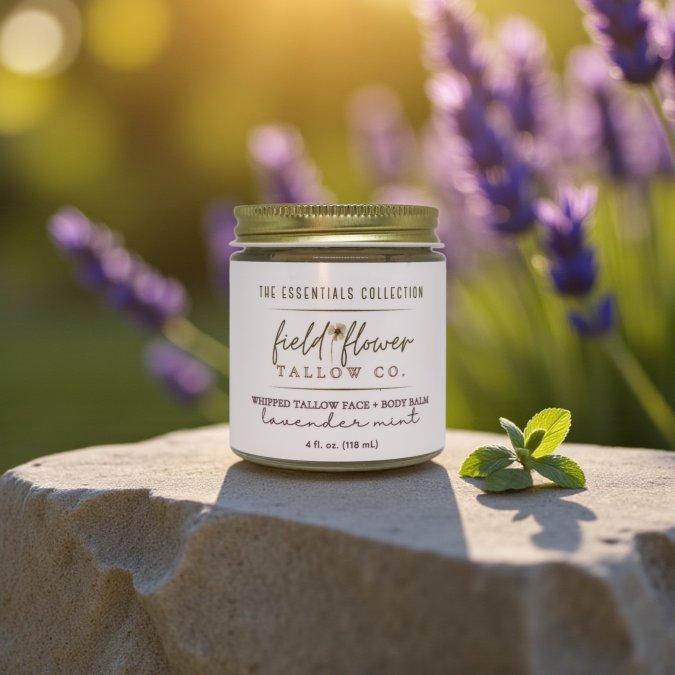
Lavender Mint Whipped Tallow Face + Body Balm
Grass-Fed vs. Conventional Tallow: What Matters
The source of the tallow has a real impact on the quality and nutrient profile of the final bar. Tallow from grass-fed and grass-finished cattle raised on pasture contains a higher concentration of beneficial fatty acids and fat-soluble vitamins compared to tallow from conventionally raised, grain-fed animals (PubMed).
Conventional cattle are often raised in confined feeding operations, and their fat can carry residues from the grains, antibiotics, or hormones they are fed. Grass-fed tallow comes from animals that have lived a more natural life, resulting in a cleaner, more nutrient-dense fat richer in vitamins A, D, E, and K.
The sourcing also aligns with principles of regenerative agriculture, where grazing cattle help improve soil health and sequester carbon. Field Flower Tallow Co. sources tallow from lifetime grass-fed and grass-finished cattle raised on USA pastures, ensuring a high-quality, traceable ingredient.
Troubleshooting Skin Reactions and Storage Tips
Even with a natural product, it is possible to experience a reaction. This is often a temporary adjustment period as your skin adapts from being stripped by detergents to a more balanced state. However, if you experience persistent redness, itching, or breakouts, stop use and consider a different formula.
If you have known sensitivities to essential oils, start with the unscented bar. If you react to goat's milk, look for a bar made only with tallow and plant oils. It is also worth checking whether your reaction is actually to the soap or to something else in your routine, such as a new moisturizer or laundry detergent.

Regarding storage, because these bars are crafted in small batches, they have a shelf life of about 12 months. Keep the bar in a cool, dry place when not in use. If you notice an off-putting odor or a change in texture, it's time to replace the bar.
Which Tallow Soap Should You Pick?
Choosing the right tallow soap for dry skin comes down to your skin's sensitivity and your scent preferences. The table below summarizes the key decisions:
Your Priority |
Recommended Bar |
Why It Works |
|---|---|---|
Maximum gentleness / fragrance-free |
No essential oils, ideal for reactive skin |
|
Calming evening ritual |
Lavender Mint Infused Tallow Soap |
Soothing lavender, cooling peppermint |
Uplifting morning cleanse |
Bright citrus, refreshing aroma |
|
Trying multiple scents |
4 large samples to test reactions |
For most people with dry skin, starting with the Unscented Tallow + Goat's Milk Soap is the safest and most effective first step. It offers the purest test of how your skin responds to the lipid-rich formula without the variable of fragrance.
Finding a cleanser that doesn't leave your skin feeling tight and dry can feel like an endless search. Tallow soap for dry skin offers a time-tested alternative that works with your skin's biology, not against it. At Field Flower Tallow Co., we craft our bars in small batches with clean, recognizable ingredients like grass-fed tallow and raw goat's milk. Our unscented bar is the perfect starting point for sensitive skin, and our Soap Sampler lets you explore our handcrafted scents without commitment. Get started with Field Flower Tallow Co. and experience the difference of a truly gentle, conditioning cleanse.
Frequently Asked Questions
Why don't dermatologists like tallow soap?
Some dermatologists hesitate to recommend tallow soap because they are trained to focus on water-based moisturizers and synthetic cleansers. Their main concern is often the lack of clinical trials on tallow. However, tallow is rich in fatty acids like stearic, oleic, and palmitic acid, which help support the skin barrier and reduce moisture loss. It is also free from synthetic surfactants and detergents that can strip the skin. Many people with dry skin find that a traditional cold-process tallow soap cleanses without leaving skin feeling tight or irritated.
Is tallow soap vs commercial soap better for eczema-prone skin?
Tallow soap is often a better choice for eczema-prone skin than commercial soap. Most commercial bars are made with harsh detergents and synthetic surfactants that strip the skin's natural lipid barrier, which can trigger flare-ups. Tallow soap, especially a cold-process bar with grass-fed tallow, cleanses gently and provides rich lipids that help condition and soften the skin. For the most sensitive skin, choose an unscented version with no essential oils. Always patch test first and consult your dermatologist before changing your routine.
How do I use tallow soap for dry skin?
Start by wetting your skin and the tallow soap bar with warm, not hot, water. Work up a rich, creamy lather in your hands or a washcloth. Massage the lather gently over your face and body, then rinse thoroughly. Avoid scrubbing, which can irritate dry patches. After washing, pat your skin dry and apply a tallow balm to slightly damp skin to help seal in moisture. Let the soap bar dry completely between uses to extend its life and prevent it from becoming soft.
What are the downsides of using tallow soap?
The main downside of tallow soap is that it does not produce the same high, foamy lather as commercial body washes. Some people also notice a subtle, earthy scent even in unscented bars, although quality brands like Field Flower Tallow Co. process it to minimize any animal-like odor. Tallow soap bars can also become soft if they sit in water, so they need a well-draining soap dish. Finally, bars made with essential oils may not suit everyone, so those with very reactive skin should look for an unscented formula.
Is beef tallow soap non-comedogenic?
Beef tallow is considered non-comedogenic, meaning it is unlikely to clog pores. Its fatty acid profile is similar to the oils human skin produces, which helps it absorb well without leaving a heavy residue. Stearic and palmitic acid in tallow have a higher molecular weight that helps them sit on the skin's surface to condition and protect, rather than penetrating and blocking pores. Many people with acne-prone but dry skin use tallow soap successfully. However, everyone's skin is different, so it is wise to test on a small area first.